
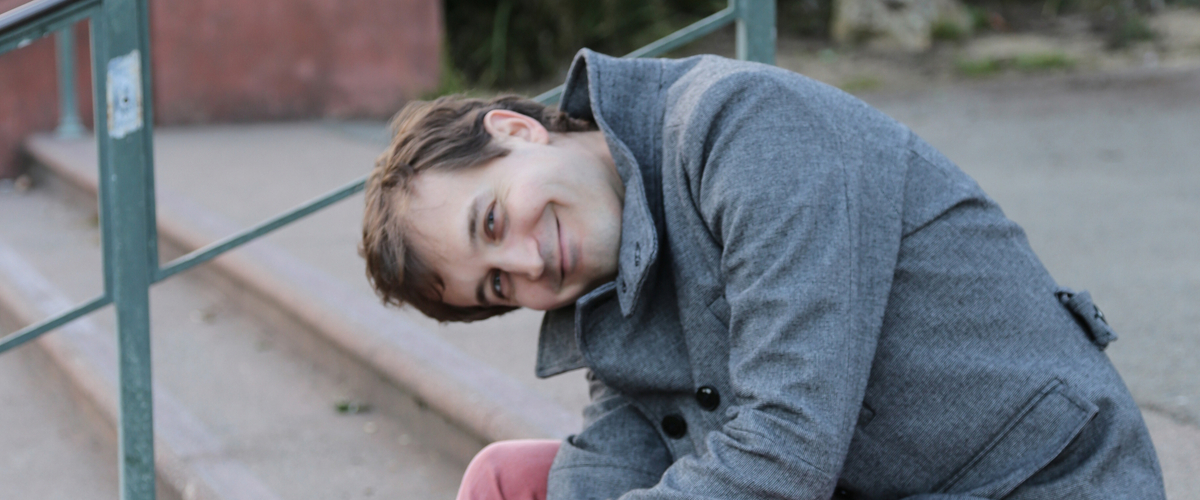
Aaron Gervais
Brewer, Composer
About Me
I’m a brewer and composer, based in San Francisco and originally from Canada.
I co-founded Otherwise Brewing, San Francisco’s first gluten-free brewery, and my music has been commissioned and performed by renowned contemporary classical ensembles across North America and Europe.
I also have experience in nonprofit arts administration, online marketing, and web development, and my critical writing on music has been widely distributed both online and in print.
Beer and music may seem like a strange mix, but they actually have a lot in common.
When I started brewing seriously, it felt like a natural transition, since the creative processes for brewing and composing are extremely similar. All of the decisions that go into designing a beer recipe have close parallels in music composition.
Craft Beer
I’ve been brewing since the early 2010s and began planning for what is now Otherwise Brewing in 2019.
The mission of Otherwise Brewing is to create world-class beers of uncompromising quality using solely gluten-free ingredients. I don’t personally have health issues with gluten, but enough people in my family do that I was curious to experiment with gluten-free brewing to see what was possible.
The initial results were extremely promising, and the shortage of gluten-free beers on the market convinced me that this was an untapped opportunity ripe to be developed.


The first year of the brewery has been dedicated to intensive R&D and recipe development, since much is still unknown about gluten-free brewing. As of this writing, we are in the final stages of securing permits and intend to launch within a few months.
We’ve got a number of delicious recipes under our belt that are indistinguishable in taste and appearance from traditional barley-based beers, and I’m super excited to share them with the world!
Music
I’ve been a freelance composer for the last 20 years and hold a Master of Arts in composition from UC San Diego.
Over the past two decades, I’ve been fortunate to work with some of the best ensembles and musicians in the world of contemporary classical music, and I’ve won many awards for my music.
I’ve written a critically acclaimed opera, a concert-length dance piece for electric guitar trio, and dozens of other pieces from solos to orchestral works.

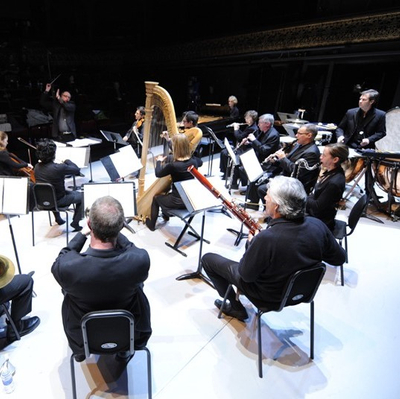
In terms of aesthetics, I’m particularly interested in humor, found materials, quotation/collage, and the sociological aspects of how people use music, which has taken my work from the introspectively sombre to the irreverently slapstick. Critics have described my work with statements from “I cried tears of laughter” to “unique, unsettling” to “this is just really great fun.”
Critical Writing
My writing on the economics and culture of contemporary classical music.

This is why your audience building fails
How do we increase the audience for new music? This is a never-ending debate, but virtually all of the standard answers assume that we need to be more inclusive, breaking down barriers for newcomers. From “people should be allowed to clap between… Read More »
Some reflections on transitioning out of being a "young composer"
What is the cut-off for being a “young composer?” Everyone defines that line a little differently, but I’m in my mid-30s, and in my case anyway, I certainly feel like I’ve moved onto the next thing. This transition is more a state of mind than… Read More »

Why Pastiche has Taken Over Music
The predominant ideology in composition today, across all genres, is rooted in pastiche. Most composers in the new music community aren’t consciously thinking about this, but we’re involved all the same. I mean, just look at the names: new complexity… Read More »
Are Unions Relevant to New Music?
Virtually all the new music musicians I know are left leaning and pro-labor, yet much of new music is non-unionized. Why is that? The AFM and other unions play a significant role in the realm of larger, more traditional music making—orchestras… Read More »
Does classical music need fixing?
In this interview with the BBC’s Newshour, I discuss what classical music could do better when it comes to building audiences and attracting new listeners. Moderated by the BBC’s Tim Franks, the segment was inspired by an earlier interview with… Read More »